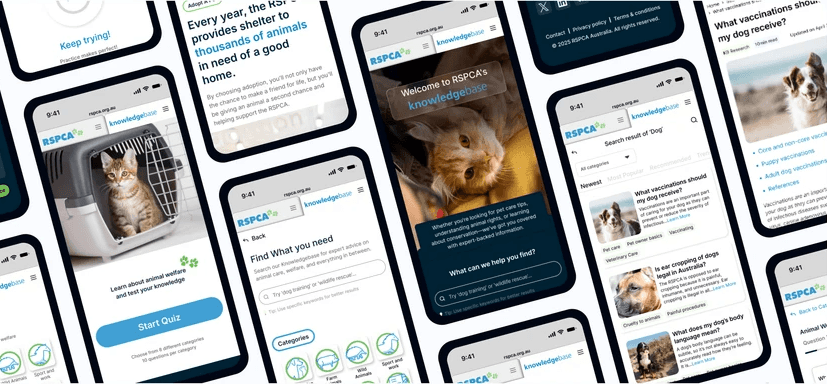
RSPCA
Pet owners in urgent situations couldn't find help fast enough.
Year
2025
Timeline
7 Weeks
Category
NGO
Service
UX Design
Problem
The RSPCA is Australia’s leading animal welfare charity. However, their Knowledge Base (KB) functioned more as a static archive than a dynamic resource. The mission was to transform this "encyclopedia" into a user-centric digital ecosystem that empowers pet owners and animal lovers with actionable, trustworthy advice.
Solution
A pet owner arrives stressed, searches for help, and leaves without an answer. That was the pattern. The redesign focused on breaking that pattern — building trust at first glance, clearing the path to the right information, and making the next step always obvious.
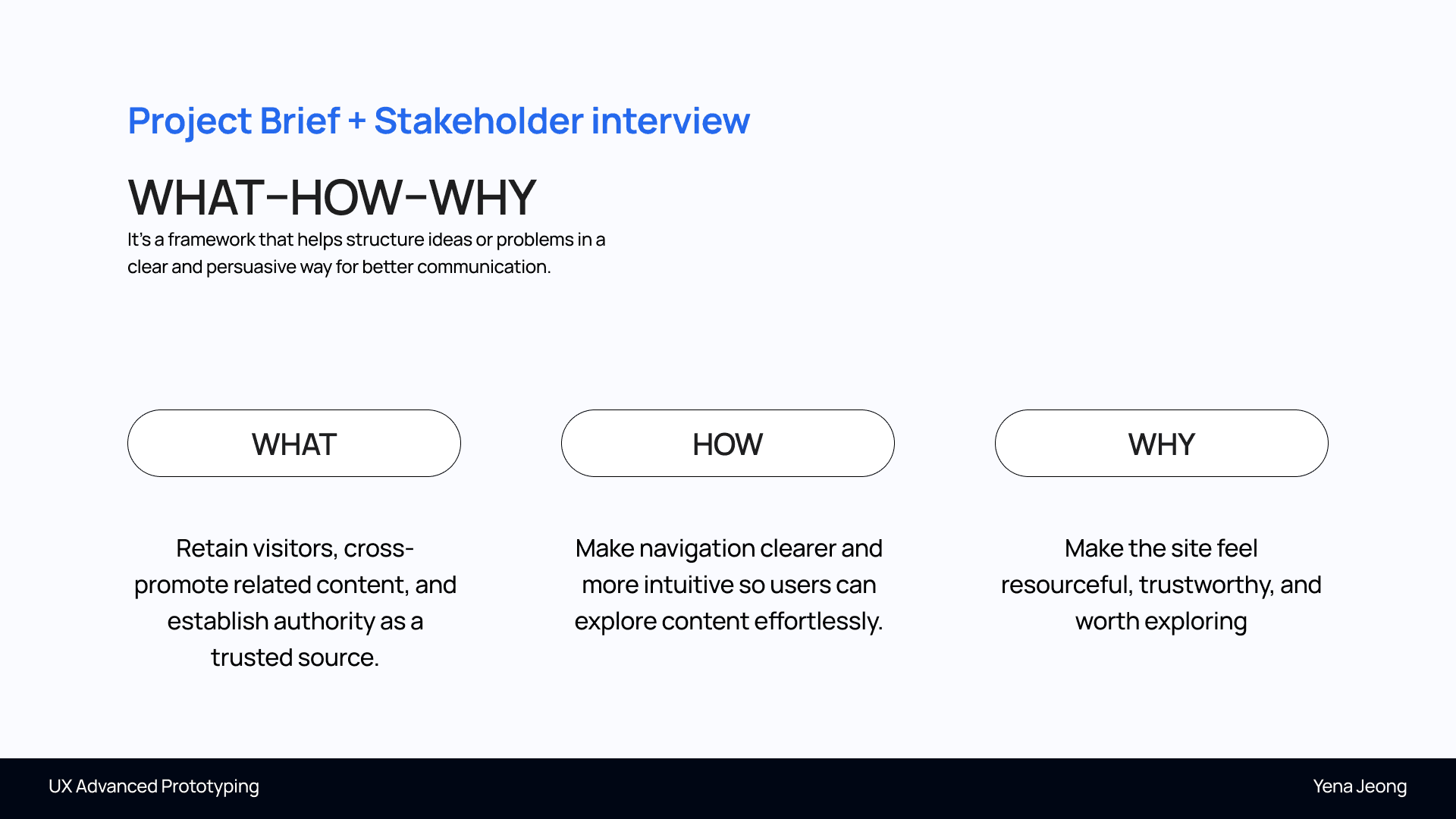
Strategic Reframing (The "What-How-Why")
To frame the challenge before designing anything, I used the What-How-Why framework based on the project brief and stakeholder interview.
To frame the challenge before designing anything, I used the What-How-Why framework based on the project brief and stakeholder interview.
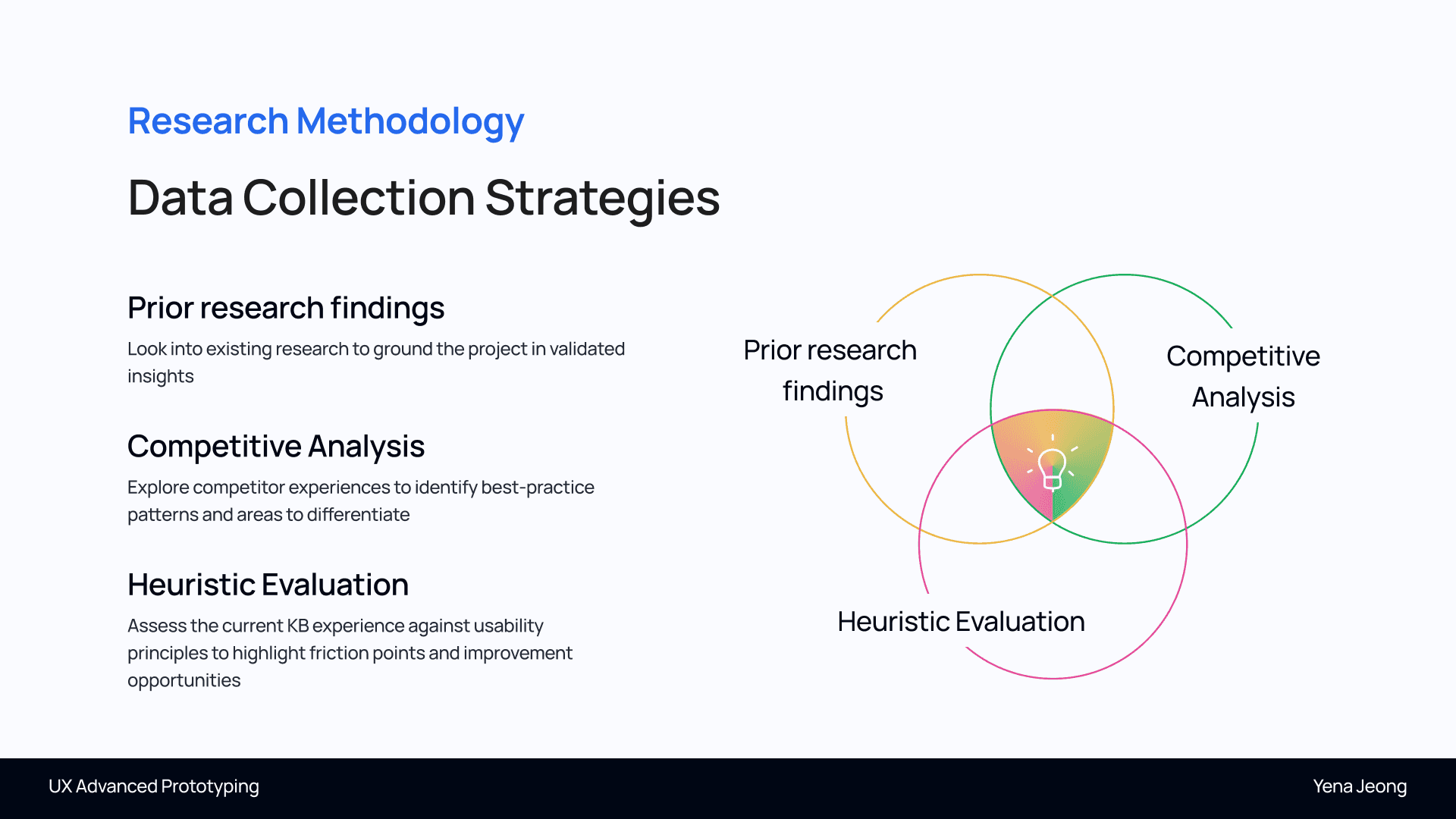
Research & Discovery
Before designing anything, I grounded the redesign in three research methods. Prior Research Findings: - Google Analytics showed 60% of users on mobile, with an average engagement time of just 30 seconds. - Earlier UX studies confirmed the pattern — users skimmed, hit dead ends, and left. The content was there. It just wasn't findable. Competitive Analysis: - Asia for Animals Coalition: Strong mega-menu, multi-language support - Animal Welfare Toolbox: Expert credibility, downloadable resources with previews - World Animal Protection: Age-targeted content, strong visual engagement Heuristic Evaluation: - The existing KnowledgeBase failed on three fronts: inconsistent navigation, no filtering options, and a cluttered layout that didn't work on mobile. Together, these three methods defined what needed to change — and why.
Before designing anything, I grounded the redesign in three research methods. Prior Research Findings: - Google Analytics showed 60% of users on mobile, with an average engagement time of just 30 seconds. - Earlier UX studies confirmed the pattern — users skimmed, hit dead ends, and left. The content was there. It just wasn't findable. Competitive Analysis: - Asia for Animals Coalition: Strong mega-menu, multi-language support - Animal Welfare Toolbox: Expert credibility, downloadable resources with previews - World Animal Protection: Age-targeted content, strong visual engagement Heuristic Evaluation: - The existing KnowledgeBase failed on three fronts: inconsistent navigation, no filtering options, and a cluttered layout that didn't work on mobile. Together, these three methods defined what needed to change — and why.
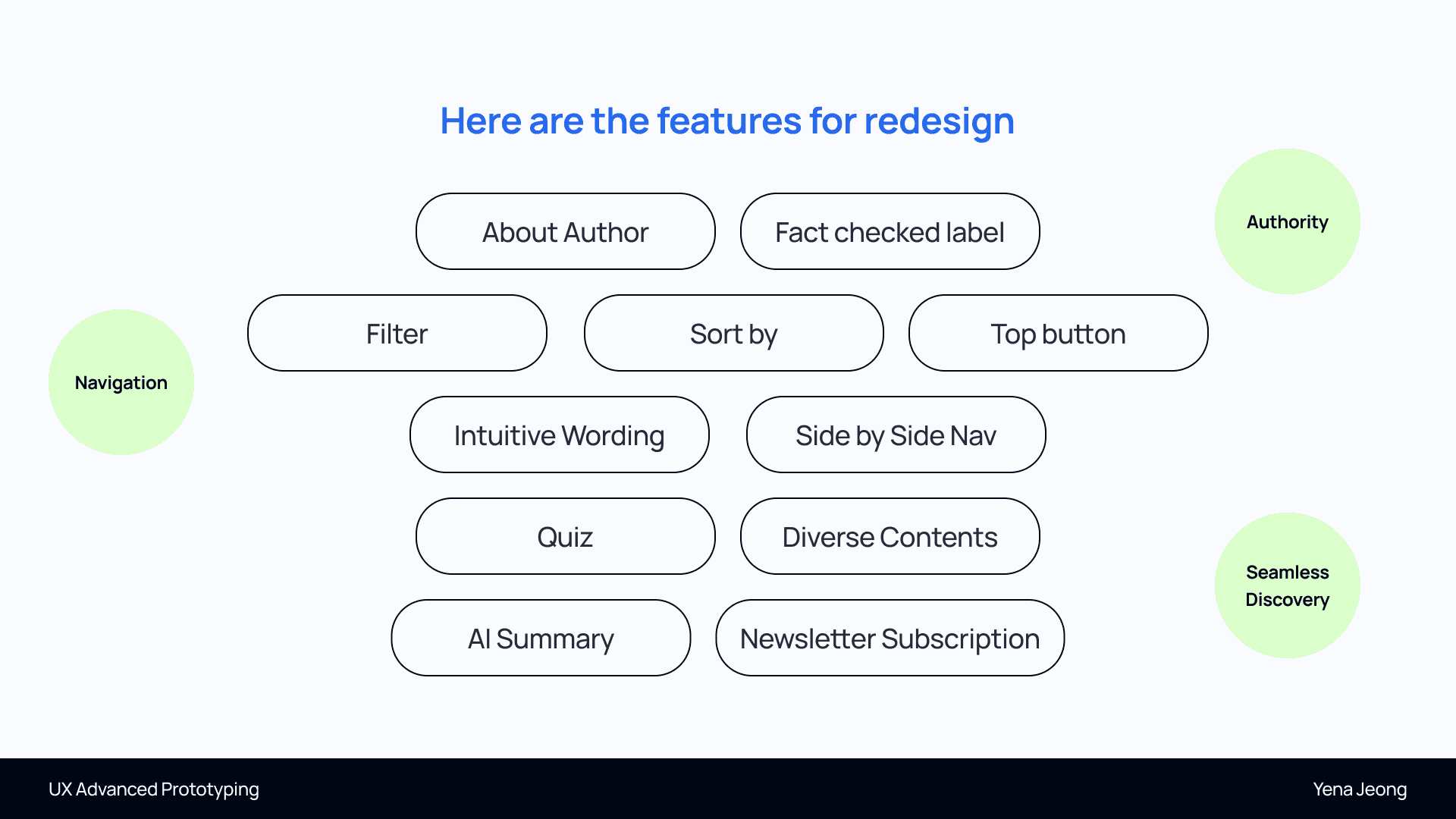
Defining the "Three Lenses" (Design Principles)
To guide the redesign, I established three fundamental pillars: - Authority Showing expertise through verified labels and author credentials. - Navigation Ensuring the user never feels lost, regardless of the device. - Seamless Discovery Encouraging "Information Grazing" where users naturally move from one topic to the next. These weren't just principles — they were filters. Every design decision went through all three before it made it to the final prototype.
To guide the redesign, I established three fundamental pillars: - Authority Showing expertise through verified labels and author credentials. - Navigation Ensuring the user never feels lost, regardless of the device. - Seamless Discovery Encouraging "Information Grazing" where users naturally move from one topic to the next. These weren't just principles — they were filters. Every design decision went through all three before it made it to the final prototype.

Home & Navigation
- Folder/Tab-Style Menu: Implemented a dual-navigation system for seamless switching between the main RSPCA site and the Knowledge Base. - Clear Introduction: Added a distinct KB introduction and kept the search function visible for instant utility.
- Folder/Tab-Style Menu: Implemented a dual-navigation system for seamless switching between the main RSPCA site and the Knowledge Base. - Clear Introduction: Added a distinct KB introduction and kept the search function visible for instant utility.

Information Architecture (IA) Overhaul
I restructured the content hierarchy to prioritize Scannability. - Outcome: Implemented an icon-based grid system for the homepage and a clear "Document Type" tagging system (Video, Article, PDF). - Impact: This allows users to filter content based on their preferred learning style and urgency.
I restructured the content hierarchy to prioritize Scannability. - Outcome: Implemented an icon-based grid system for the homepage and a clear "Document Type" tagging system (Video, Article, PDF). - Impact: This allows users to filter content based on their preferred learning style and urgency.

Advanced Drop-Down Menu
- Accessibility: Ensured the search page can be accessed from any point in the user journey. - Engagement Hooks: Integrated the Quiz feature and links to the Adoption page directly within the navigation to drive user action.
- Accessibility: Ensured the search page can be accessed from any point in the user journey. - Engagement Hooks: Integrated the Quiz feature and links to the Adoption page directly within the navigation to drive user action.

Optimized Search & Filtering
- Customisable Category View: Users can now sort results by "Newest," "Most Popular," or "Recommended" based on their personal priorities. - Downloadable Documents: Included visual previews of PDF reports so users understand the format and content before downloading.
- Customisable Category View: Users can now sort results by "Newest," "Most Popular," or "Recommended" based on their personal priorities. - Downloadable Documents: Included visual previews of PDF reports so users understand the format and content before downloading.

Article Scannability
- Quick Access: Added clickable table of contents for direct navigation within long-form articles. - AI-Generated Summaries: Introduced short AI summaries and a floating "Top" button to significantly improve scannability on mobile devices.
- Quick Access: Added clickable table of contents for direct navigation within long-form articles. - AI-Generated Summaries: Introduced short AI summaries and a floating "Top" button to significantly improve scannability on mobile devices.

Building Trust & Engagement, Gamified Learning & Future Impact
- Authority Badges: Included expert verification badges and "Estimated Read Time" to set clear user expectations. - Author Profiles: Added a dedicated section for authors to add a human, trustworthy touch to the scientific information. - Mini Quizzes: Embedded interactive quizzes at the end of articles to test knowledge and encourage deeper engagement with the content. - Expected Outcome: A more connected, educated, and loyal RSPCA community, better equipped to provide high-quality care for animals across Australia.
- Authority Badges: Included expert verification badges and "Estimated Read Time" to set clear user expectations. - Author Profiles: Added a dedicated section for authors to add a human, trustworthy touch to the scientific information. - Mini Quizzes: Embedded interactive quizzes at the end of articles to test knowledge and encourage deeper engagement with the content. - Expected Outcome: A more connected, educated, and loyal RSPCA community, better equipped to provide high-quality care for animals across Australia.
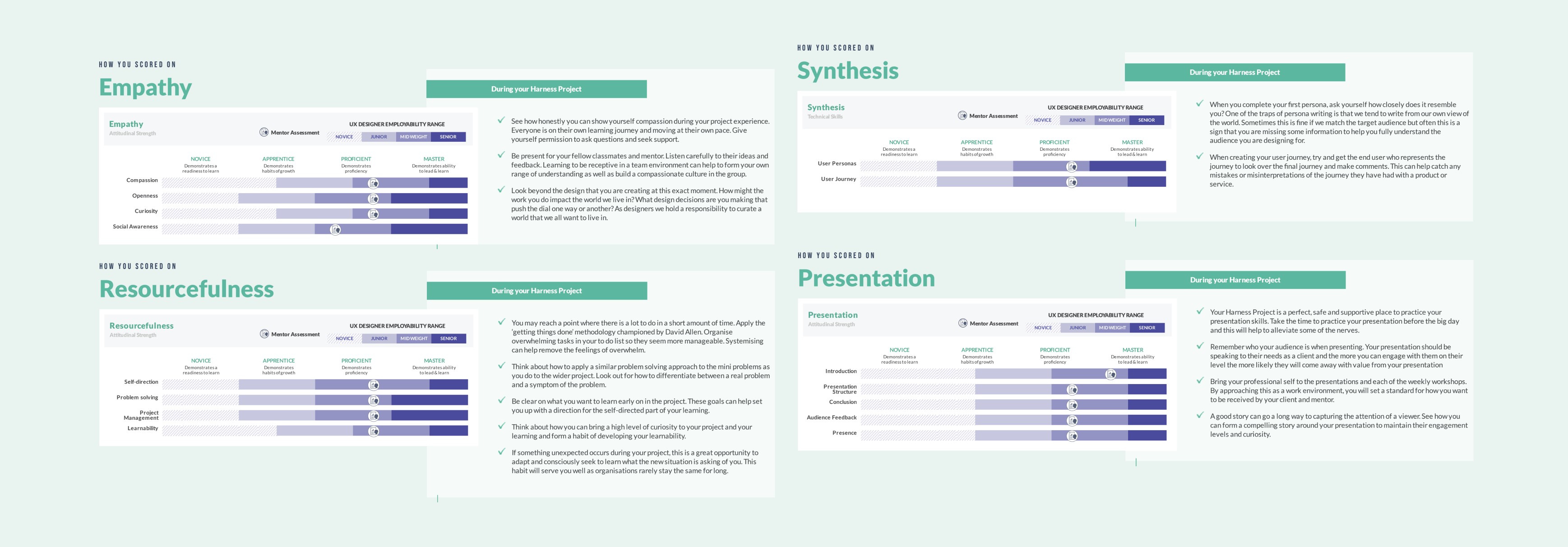
Reflection & Mentor Evaluation
Mentor evaluations highlighted strengths in Synthesis, Resourcefulness, Presentation, and Empathy — reflecting Midweight-level design capabilities. Looking back, the strategic framing and research foundation were strong. If I had more time, I would have validated the redesign through usability testing with real users — particularly pet owners in urgent situations, where finding the right information quickly matters most. The next step would be measuring whether the design decisions actually reduce time-to-find-information on mobile, where 60% of users are.
Mentor evaluations highlighted strengths in Synthesis, Resourcefulness, Presentation, and Empathy — reflecting Midweight-level design capabilities. Looking back, the strategic framing and research foundation were strong. If I had more time, I would have validated the redesign through usability testing with real users — particularly pet owners in urgent situations, where finding the right information quickly matters most. The next step would be measuring whether the design decisions actually reduce time-to-find-information on mobile, where 60% of users are.
View More ↗
View More ↗
View More ↗
View More ↗

Got a project or role that needs a designer who thinks before they make? Let's talk.🙂